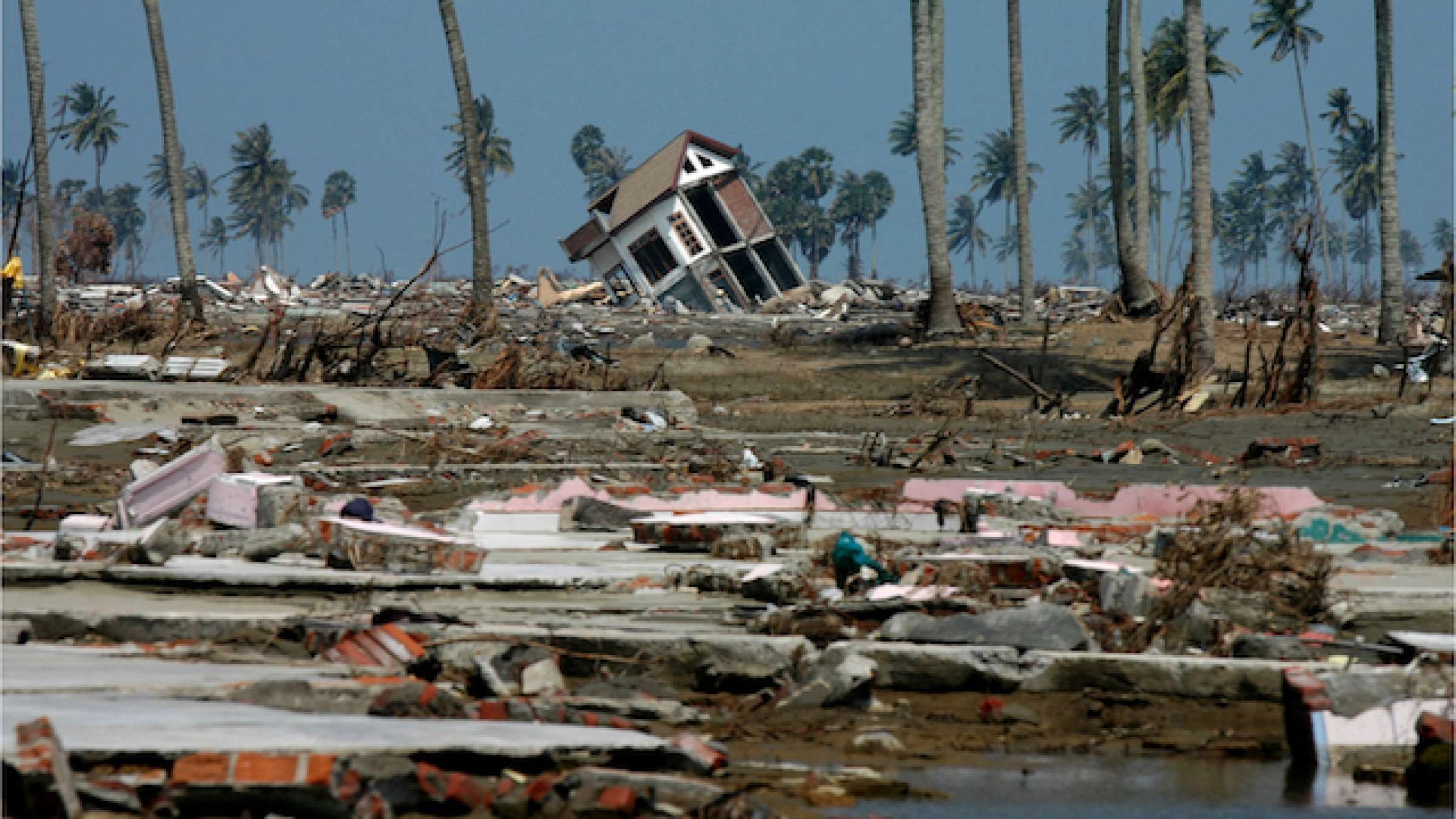
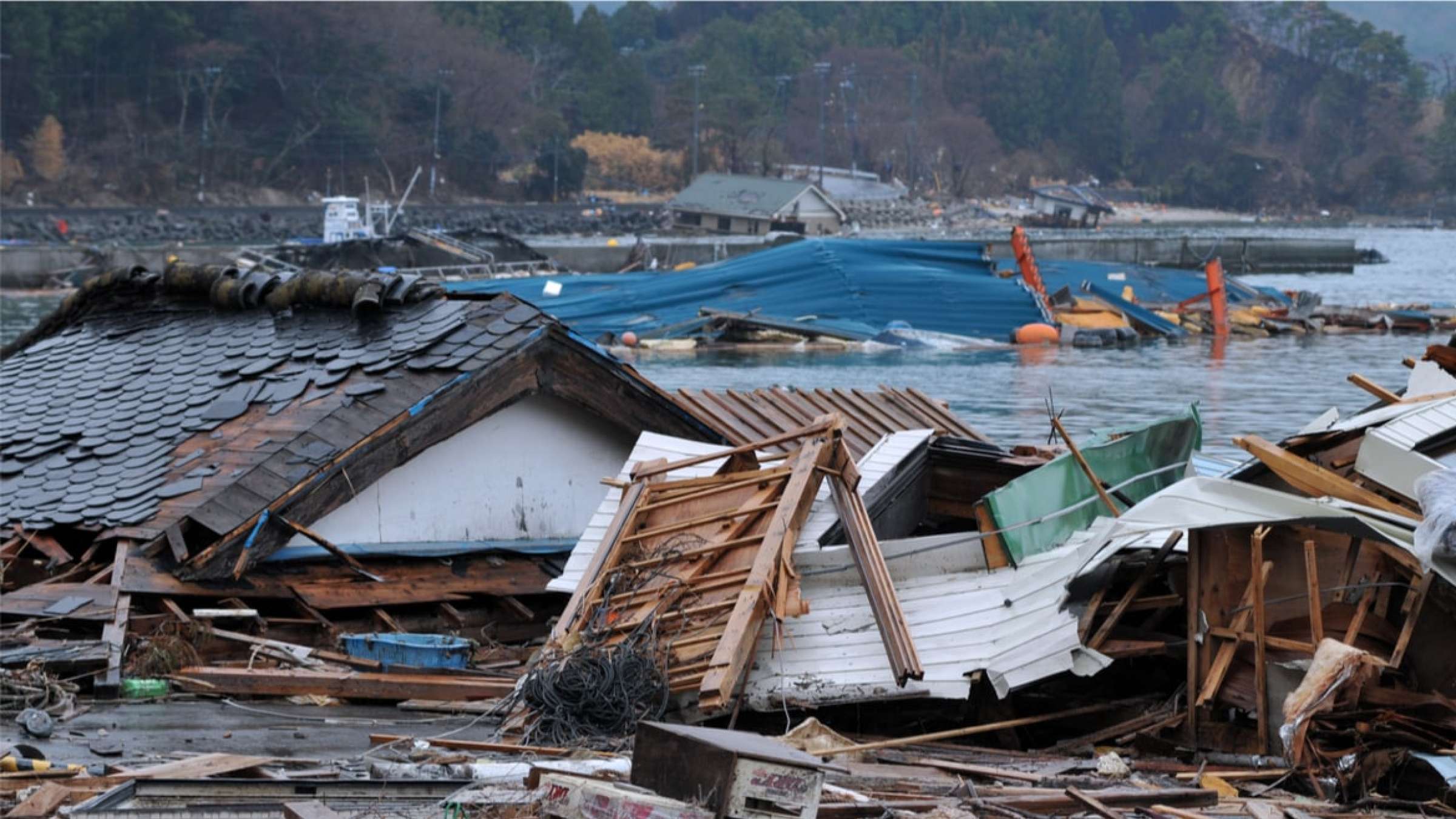
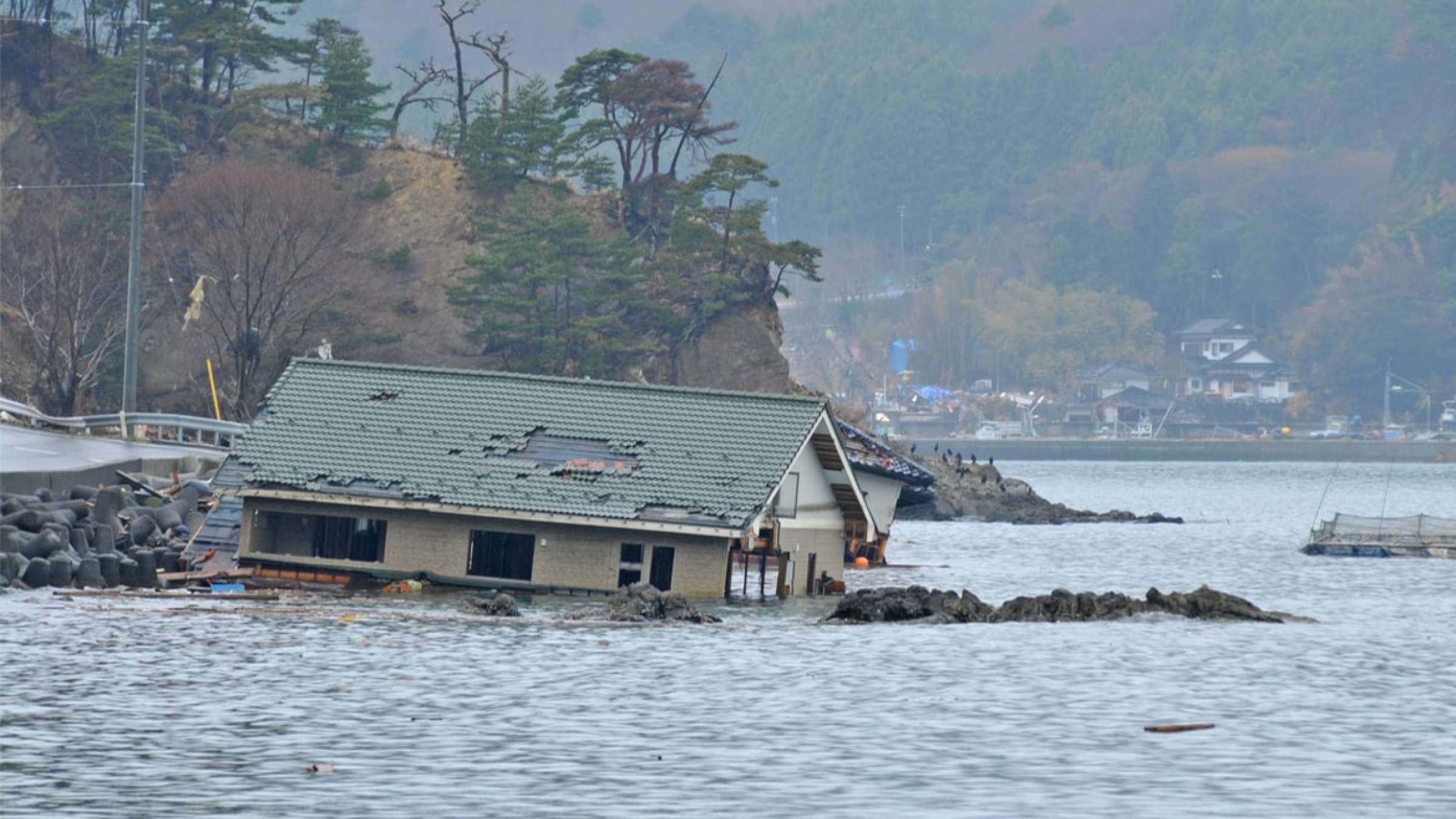
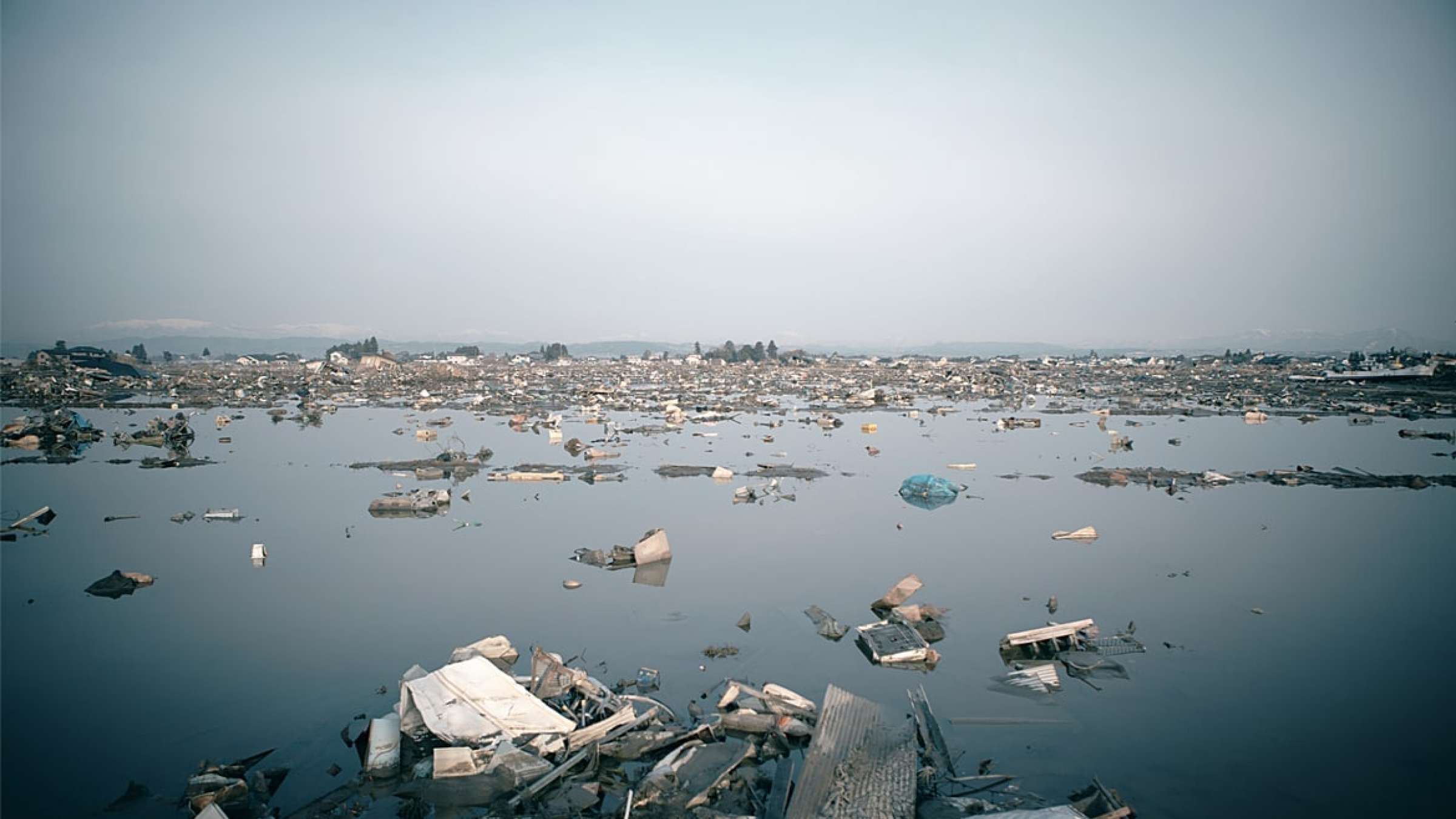
The Great East Japan Earthquake, which took place on 11 March 2011, was the most powerful earthquake ever recorded in Japan, reaching a magnitude of 9.0 and bringing unprecedented disaster to the Tohoku region and other areas.
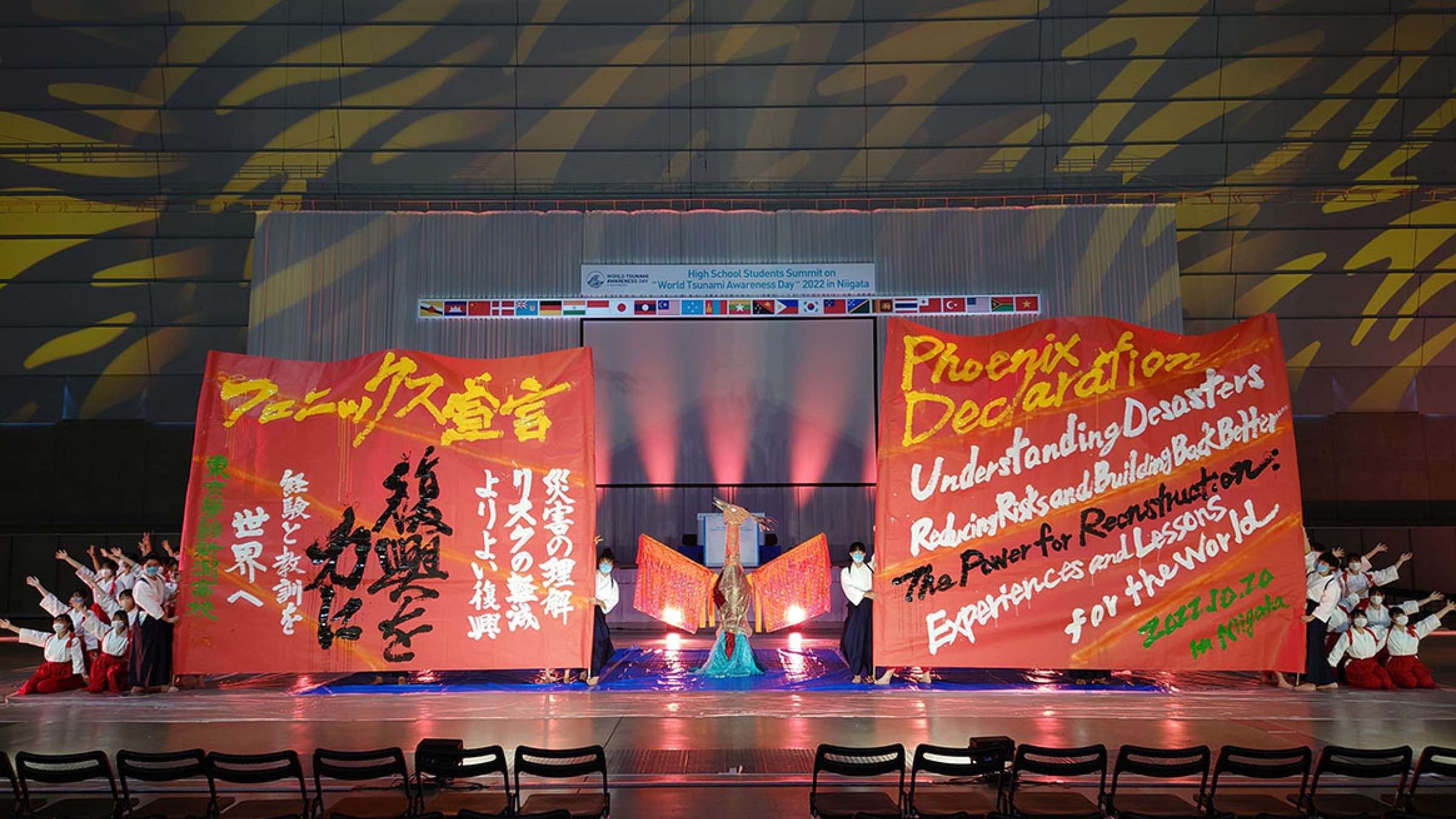
At the High School Students Summit on World Tsunami Awareness Day 2022 in Niigata, Japan, students from around the world gathered – both virtually and in person – to discuss, learn, and reaffirm their commitment to disaster risk reduction.
The COVID-19 pandemic has brought new challenges to disaster risk reduction, disaster response and planning for safe evacuation from disaster events - including tsunamis. World Tsunami Day promotes a global culture for tsunami preparedness and response.
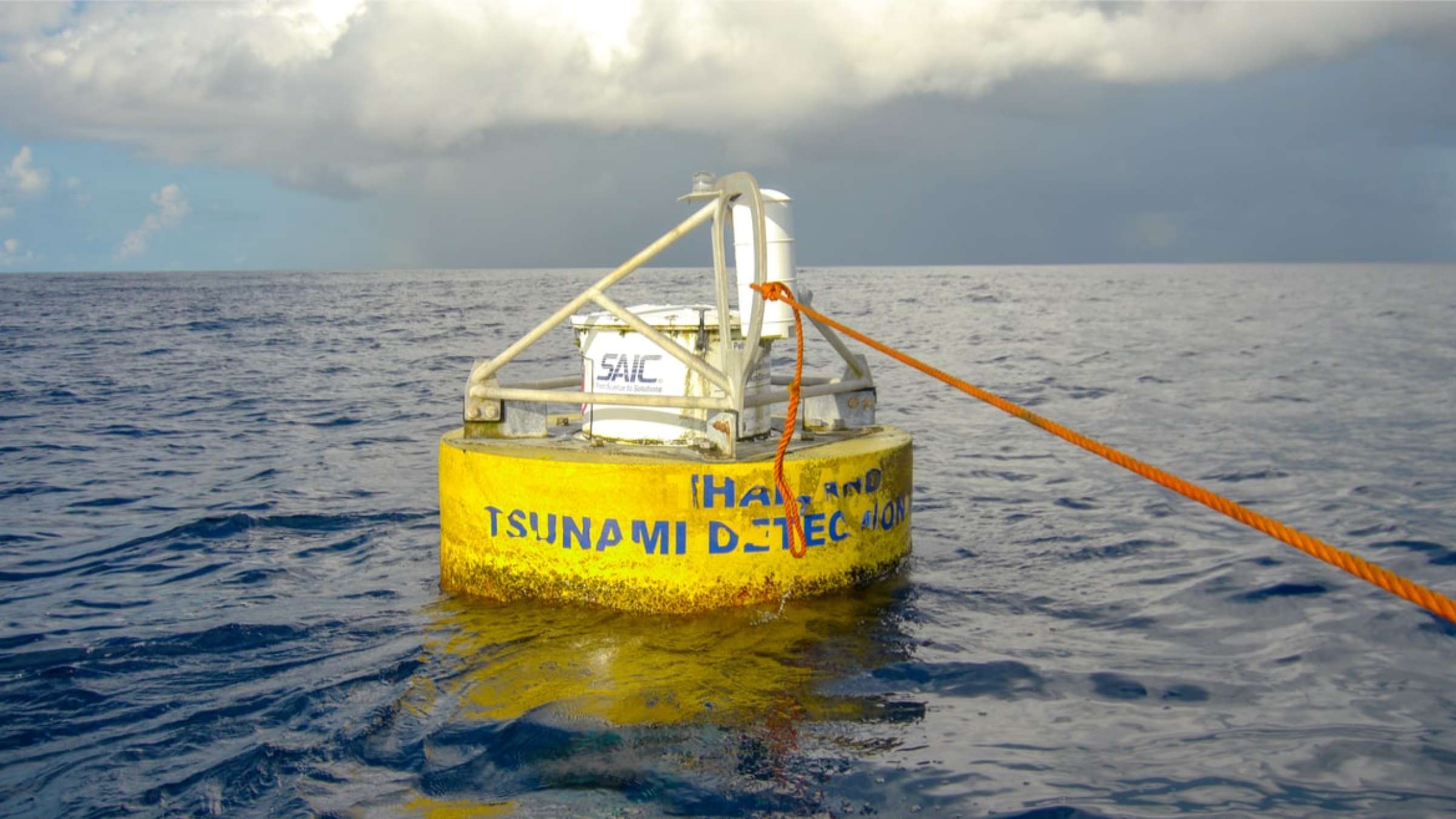
Five countries pave the way for progress in the implementation of effective tsunami early warning systems, which are challenging due to multi-faceted complexity.
Ian McKinley, Shinichi Nakayama and Susie Hardie consider how recovery has progressed at Fukushima Daiichi and what lessons can be learned for the future
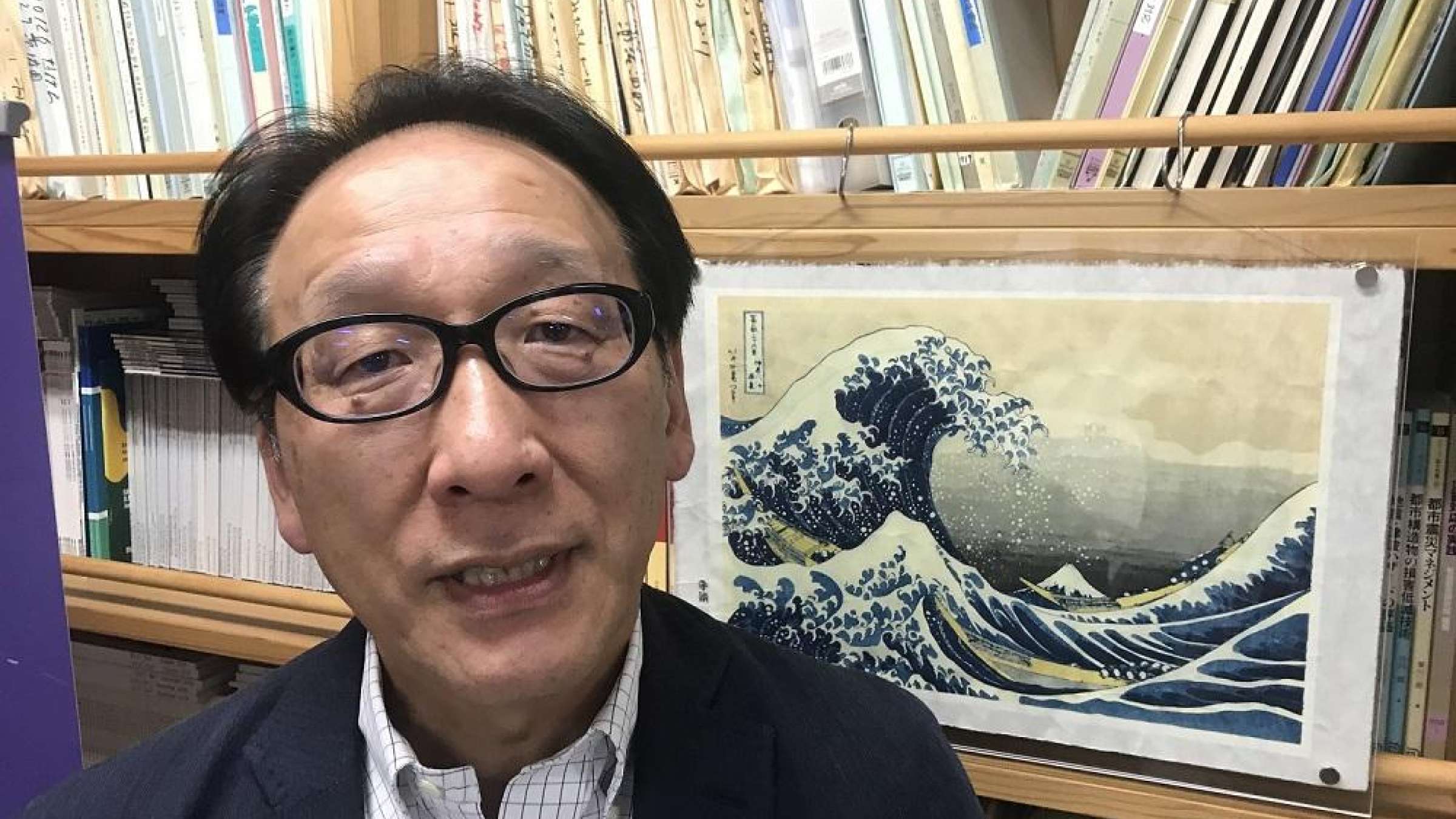
Renowned tsunami expert Prof. Fumihiko Imamura uses the occasion of World Tsunami Awareness Day to draw attention to the threat of "black tsunamis" caused by pollution of the seas