Wei Zhang used GIS and statistical data to construct a novel model of tsunami damage in Fairfield, CT. The model can easily transfer to other storm types and communities.
This initiative aims to engage with youth living in the regions around the Indian Ocean to share their creative thoughts, ideas, concepts, and/or activities related to tsunami awareness.
United Nations Educational, Scientific and Cultural Organization - Headquarters
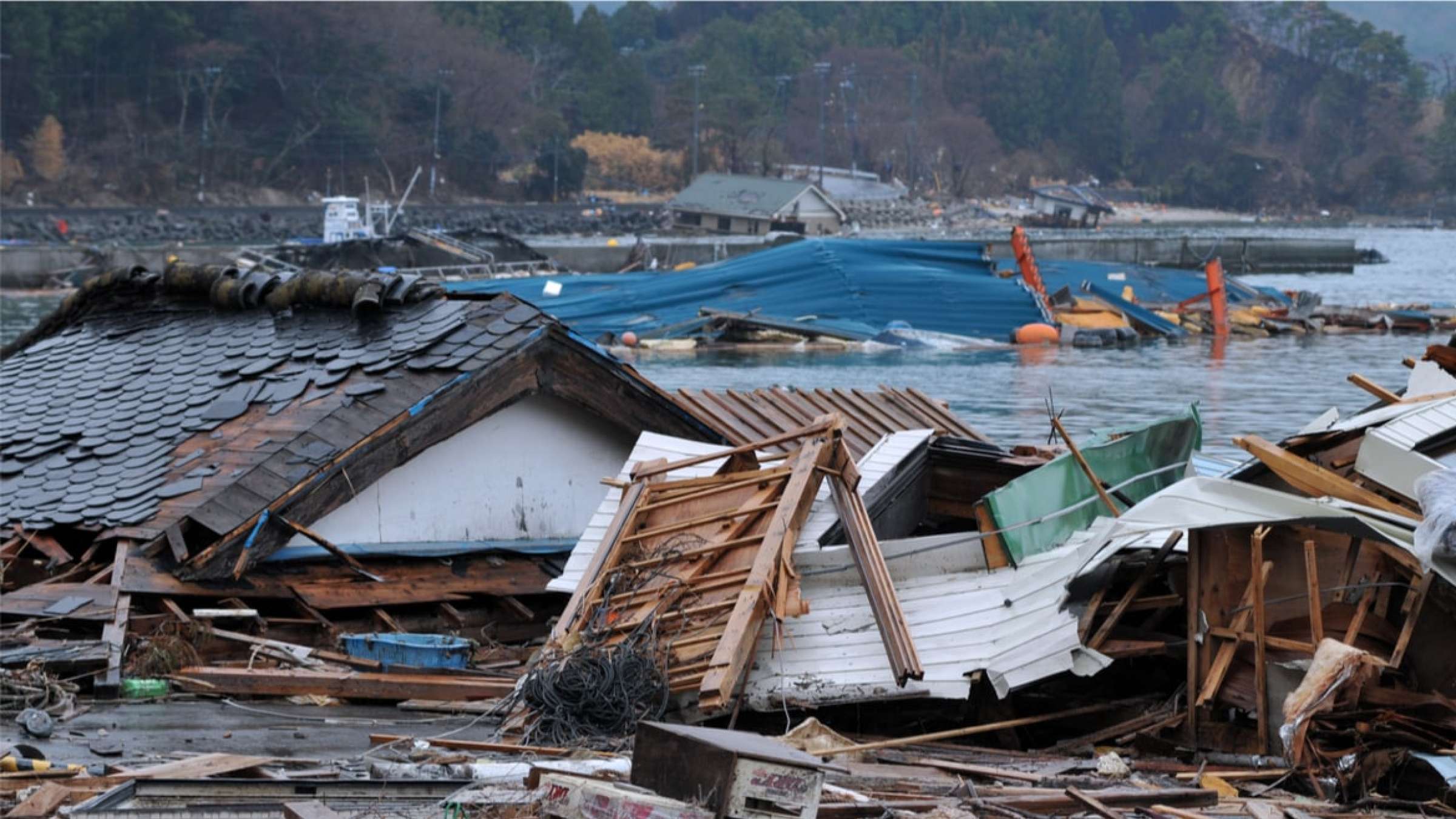
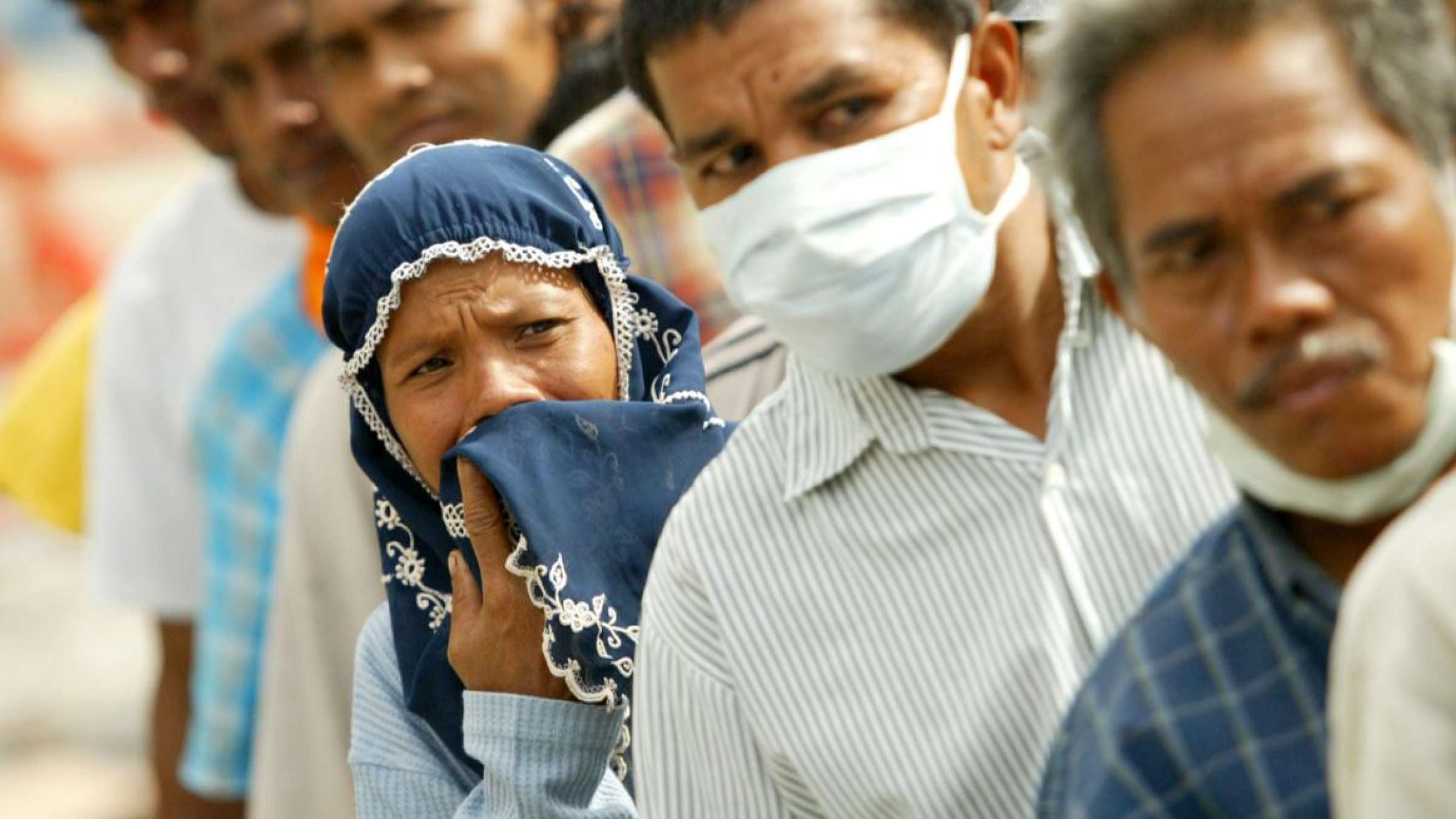
On December 26 2004, waves triggered by a massive earthquake slammed into the coastlines of countries ringing the Indian Ocean. The death toll was enormous.
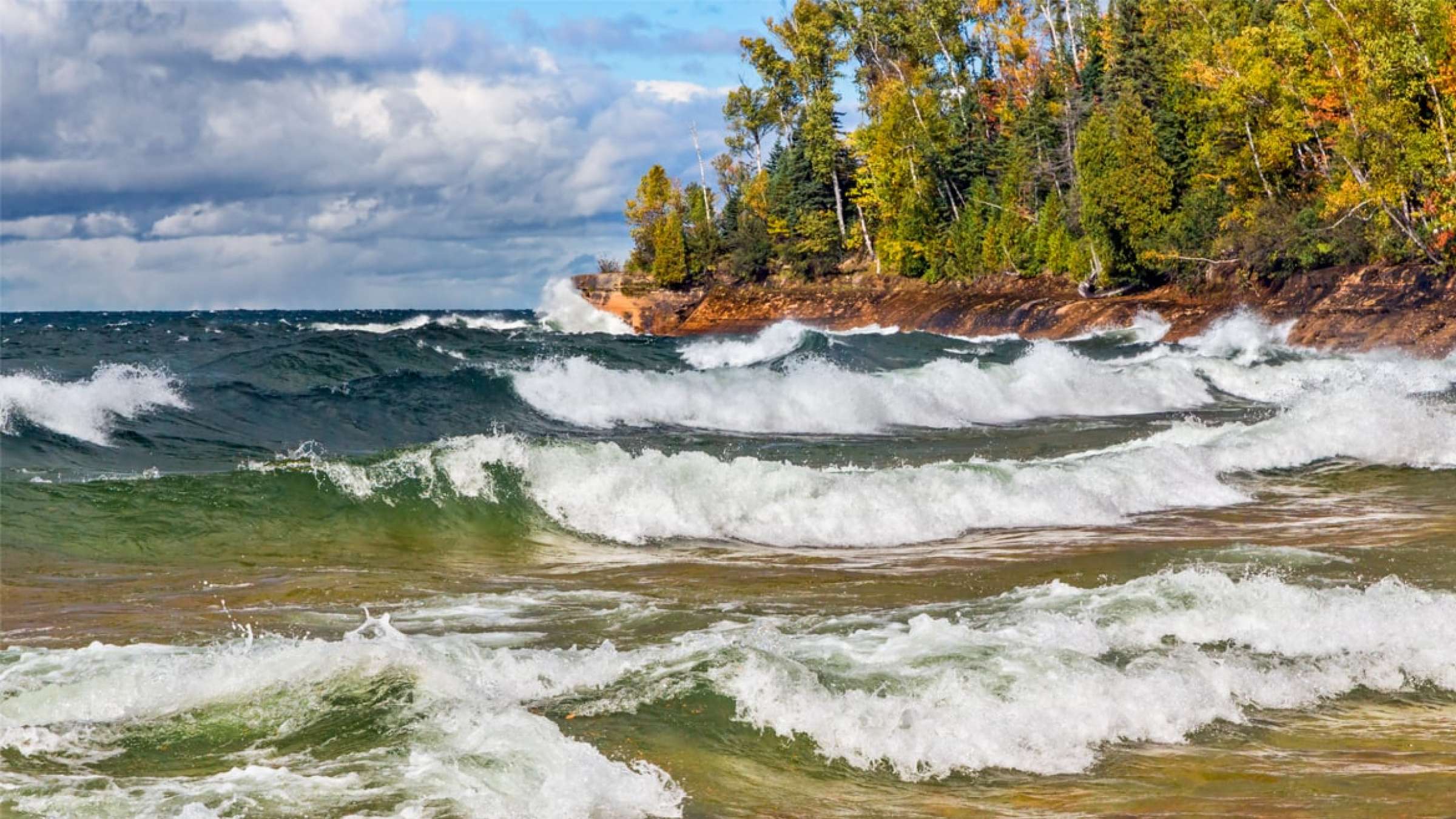
The first extensively documented air pressure–driven meteotsunami on one of the Great Lakes presents an opportunity to use existing weather models to predict them.
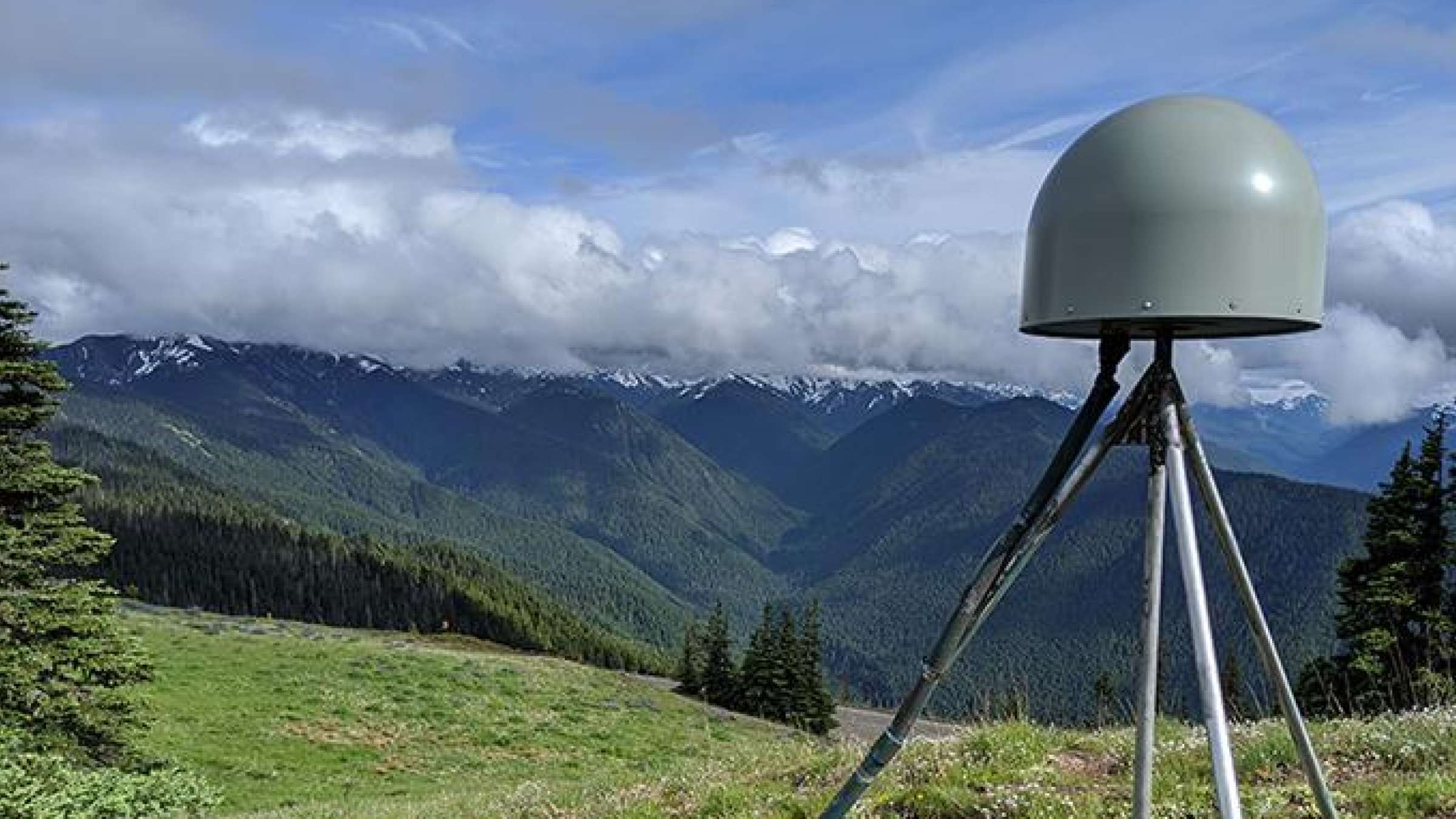
Researchers have developed a global earthquake monitoring system that uses the Global Navigational Satellite System (GNSS) to measure crustal deformation.
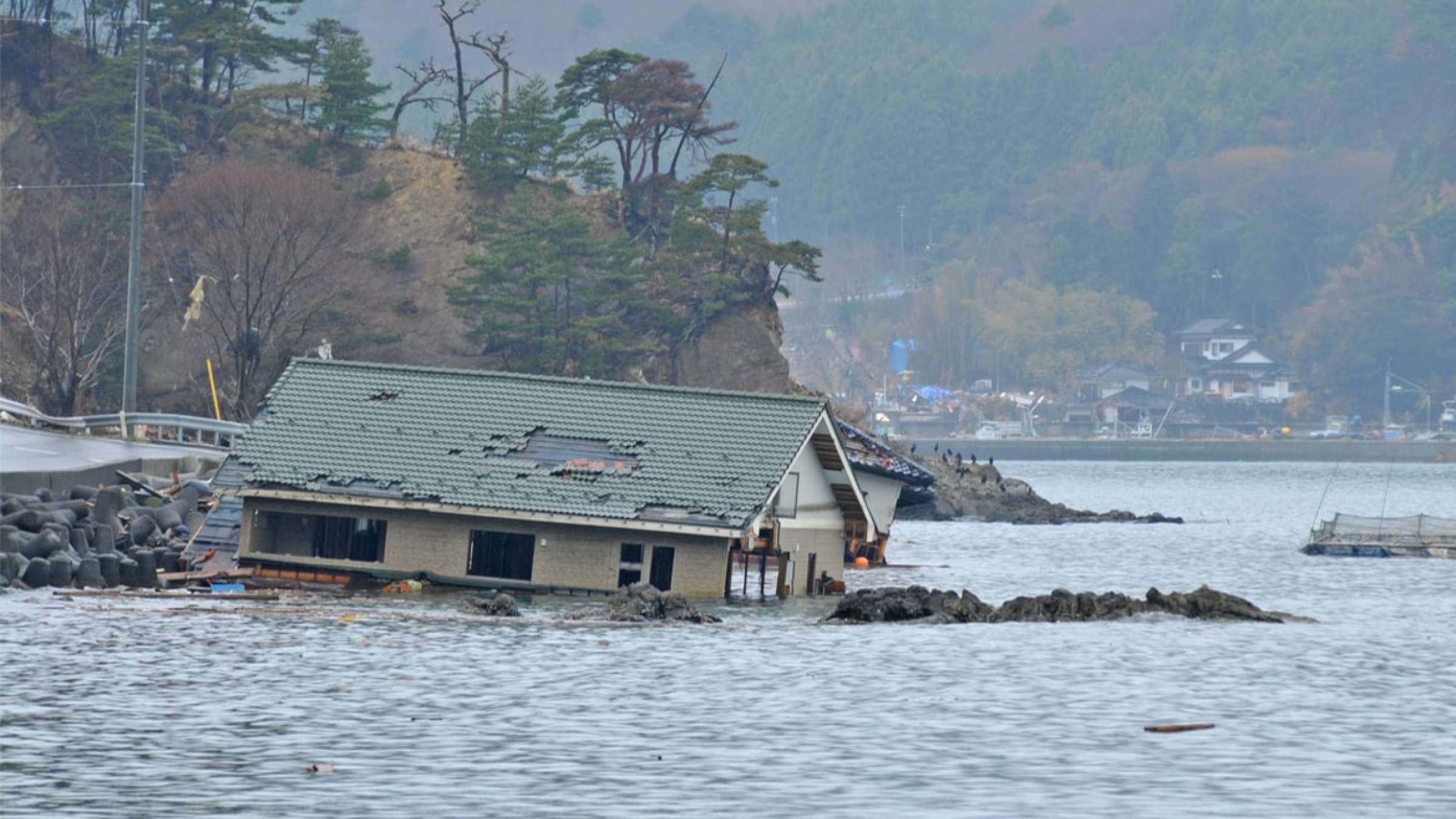
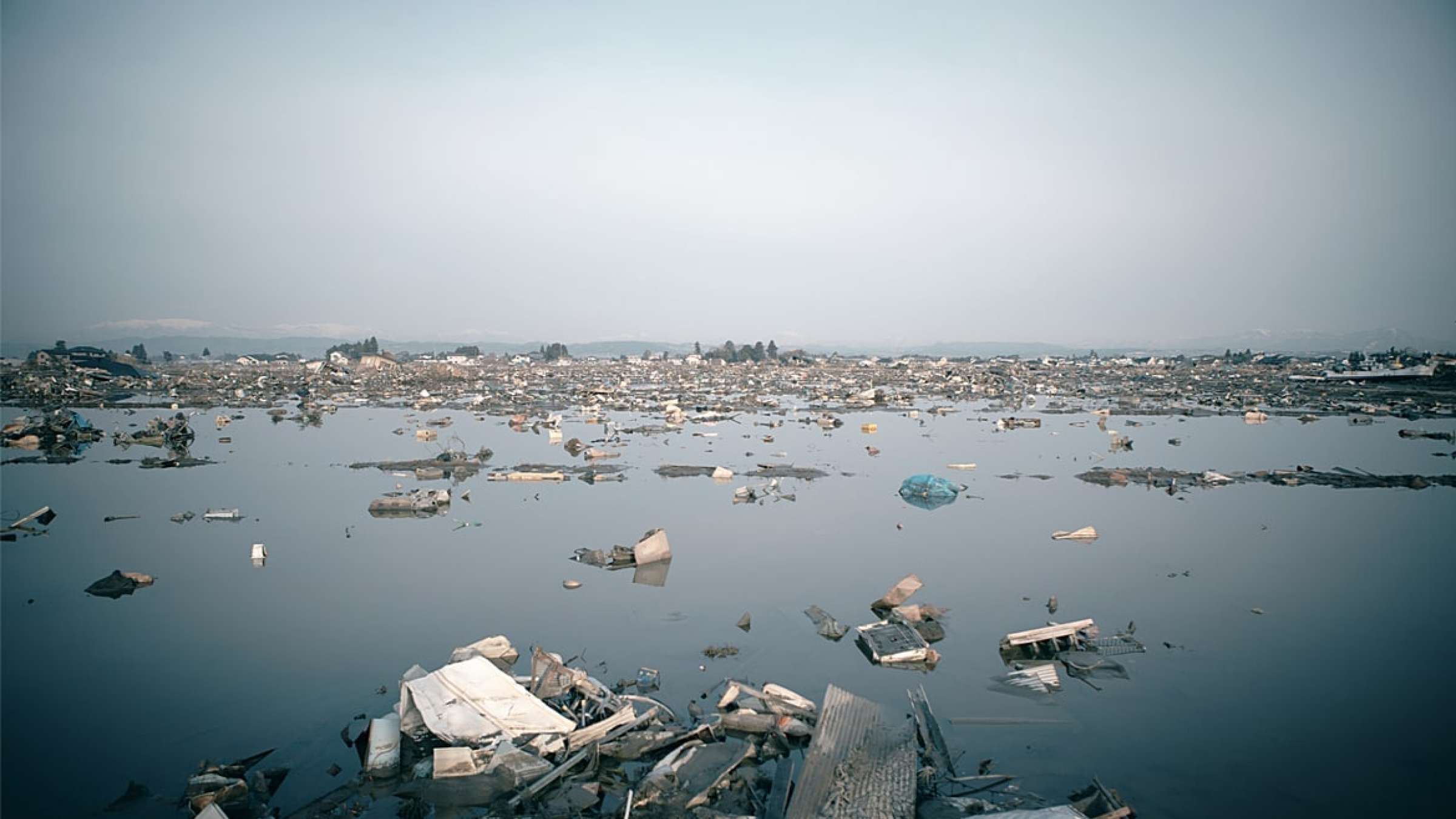
Ian McKinley, Shinichi Nakayama and Susie Hardie consider how recovery has progressed at Fukushima Daiichi and what lessons can be learned for the future
Resilience can be created anywhere - even at the kitchen table.
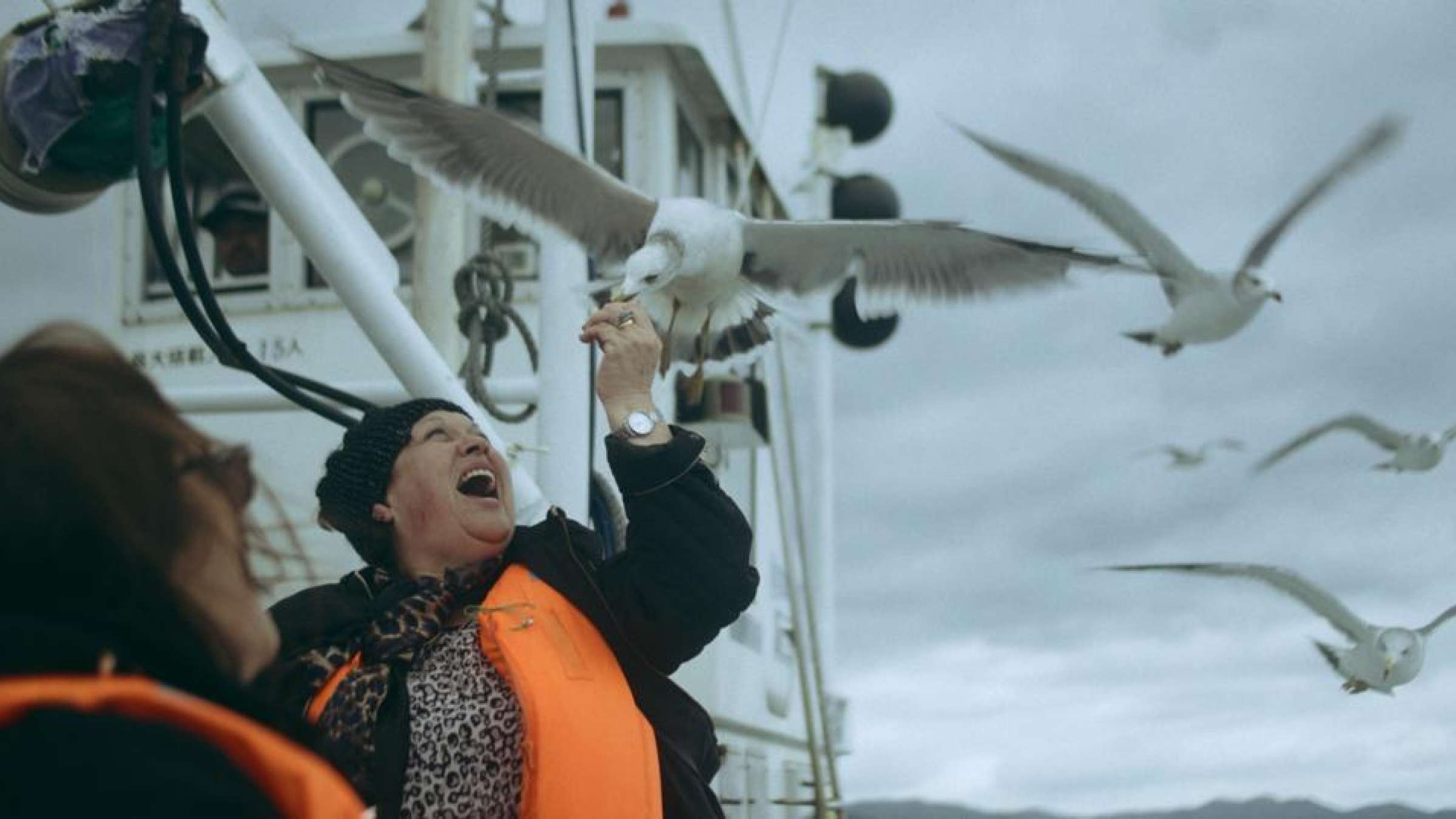
In the documentary “Tsunami Ladies”, producers Emiliano Rodríguez Nuesch and Víctor Orellana show how the women fed neighbors and helped revive their local economies after the tsunamis
United Nations Office for Disaster Risk Reduction – Regional Office for the Americas and the Caribbean
Resilience can be created anywhere - even at the kitchen table. For six women from Chile and Japan who survived the massive tsunamis that devastated their villages, food played a vital role in helping their communities rebuild and recover. In the
United Nations Office for Disaster Risk Reduction – Regional Office for the Americas and the Caribbean