Últimas noticias

Tsunamis can be deadly, but they needn’t be. Early warning and early action are effective tools to protect people, saving lives, and preventing the hazard from becoming a disaster. To be effective, tsunami early-warning systems must cover every at-risk person, they must be multi-hazard, and communities must be prepared so they can act quickly.

Update

Two decades after one of the most powerful earthquakes in history devastated SE Asia, this article examines how new technologies, research and global co-ordination can help increase resilience to future tsunamis.

WTW
Update

The 2004 Indian Ocean tsunami hit 14 countries across the Indian and Pacific Oceans, claiming over 230,000 lives worldwide. Twenty years later, the pain of the loss remains, but it is accompanied by a story of progress and resilience.

United Nations Educational, Scientific and Cultural Organization (UNESCO)
Group of school children happy about news of holidays in Lahore, Pakistan
Update

In Gwadar, UNESCO and local agencies held a tsunami evacuation drill for 330 students on World Tsunami Awareness Day. The exercise aimed to boost preparedness in Pakistan’s vulnerable coastal communities, advancing the Tsunami Ready program.

United Nations Educational, Scientific and Cultural Organization (UNESCO)
Update

In the months and years that followed the 2004 tsunami disaster, many well-intentioned recovery efforts failed to consider environmental factors, often exacerbating the crisis. Communities were relocated to areas more at risk from future extreme events.

World Wide Fund For Nature
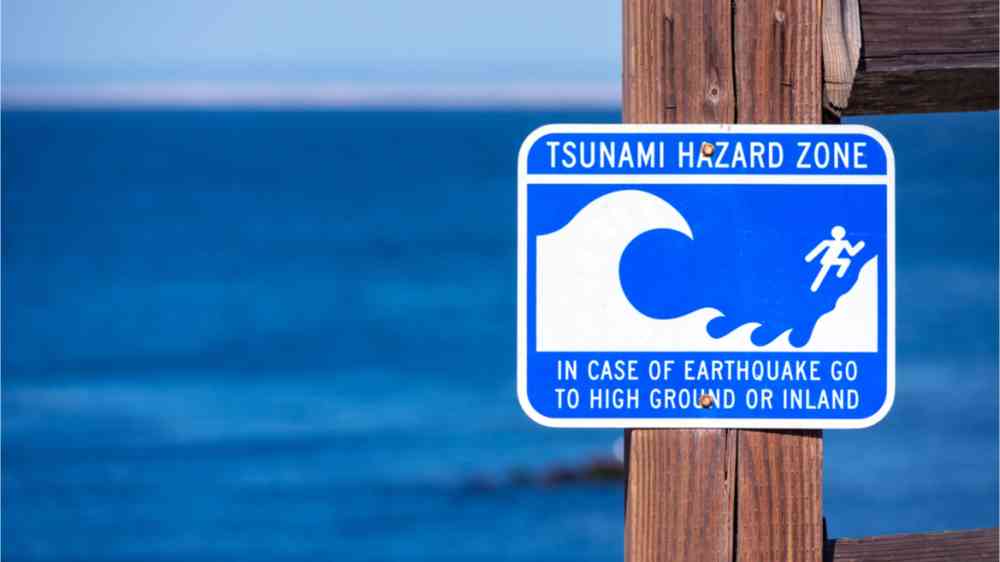
The Pacific Coast Tsunami Hazard Zone warning sign warns the public of potential dangers following an earthquake.
Update

The 2004 disaster galvanized unprecedented global solidarity, cooperation and innovation in disaster preparedness. Early warning systems and public awareness of tsunamis have made significant progress, regional cooperation in many aspects is to thank.

United Nations Economic and Social Commission for Asia and the Pacific (UN-ESCAP)
Tsunami 2004 remembrance day card with a black background and the message written in white
Update

On 26 December 2004, the world experienced one of the most devastating disasters in recent history when the Indian Ocean tsunami struck with unprecedented force, claiming around 230,000 lives and wreaking havoc on fourteen countries.

United Nations Office for Disaster Risk Reduction (UNDRR)