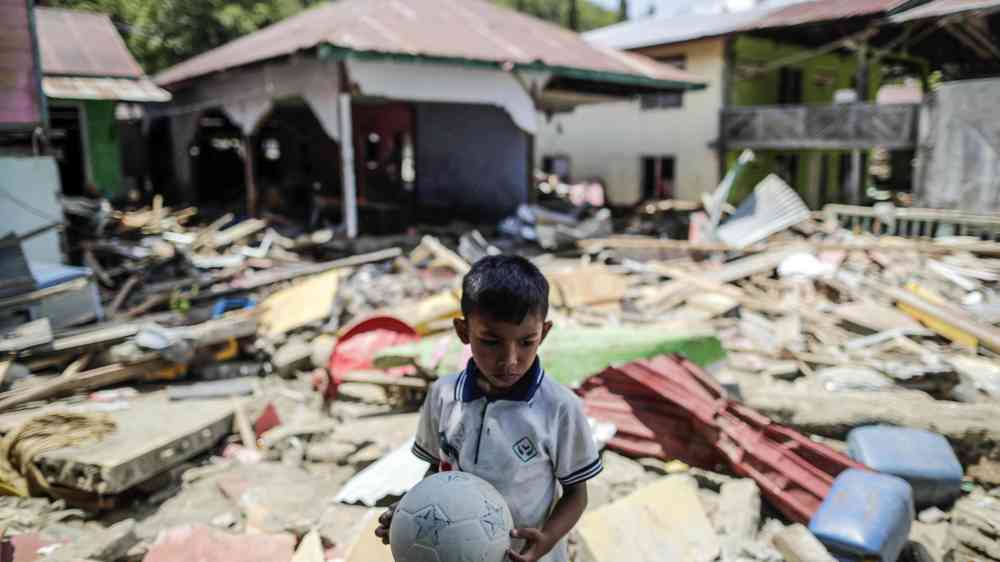
Tsunamis can be deadly, but they needn’t be. Early warning and early action are effective tools to protect people, saving lives, and preventing the hazard from becoming a disaster. To be effective, tsunami early-warning systems must cover every at-risk person, they must be multi-hazard, and communities must be prepared so they can act quickly.
WTAD news and publications

News

Arugam Bay, Eastern Province, Sri Lanka
Update

With coastal communities that remain highly vulnerable to tsunamis and other climate-related hazards, the Asia Pacific Alliance for Disaster Management Sri Lanka (A-PAD SL) has been organizing Swift Water Search and Rescue (SAR) training programmes.

Connecting Business initiative
School Tsunami Preparedness Activity in Bali
Update

UN Secretary General António Guterres marks World Tsunami Awareness Day by stressing the critical need for early warning systems amid increasing extreme weather events like Spain's floods. The Early Warnings for All initiative aims for a universal access.

United Nations - Headquarters
Update

20 years after the 2004 Indian Ocean Tsunami, UNESCO is educating the next generation on tsunami preparedness through initiatives like the Tsunami United Programme, equipping youth with life-saving knowledge and skills.

United Nations Educational, Scientific and Cultural Organization - Headquarters
Shipwreck in an ocean
Update

The 2004 tsunami devastated 14 countries, killing 230,000 and leaving 2 million homeless. It spurred global aid, with the EU providing extensive support and reshaping disaster preparedness with a focus on resilience and 'build back better' strategies.

European Commission
The aftermath of a Tsunami
Update

On World Tsunami Awareness Day 2024, NEMA urges New Zealanders to check if they’re in a tsunami zone and practice evacuation routes. While awareness is high, knowing where to go and being prepared are key to staying safe in an emergency.

New Zealand - government
Secretary-General António Guterres
Statements and messages

This year marks the 20th anniversary of the Indian Ocean Tsunami - one of the deadliest disasters in recent history. More than 230,000 people lost their lives.

United Nations - Headquarters
Kamal Kishore
Statements and messages

Twenty years ago, the Indian Ocean tsunami which emanated as a result of an earthquake that occurred off the coast of Indonesia had devastating consequences.

United Nations Office for Disaster Risk Reduction (UNDRR)
students gathered
Update

The High School Students Summit on World Tsunami Awareness Day 2024, held in Japan’s Kumamoto prefecture on 23 and 24 October, broke records as the largest and most inclusive to date.

United Nations Office for Disaster Risk Reduction (UNDRR)
United Nations Office for Disaster Risk Reduction - Kobe Office
Yellow tsunami hazard zone warning sign in Bali, Indonesia
Update

In support of government efforts to raise awareness and prepare vulnerable communities for the possible occurrence of a tsunami, stakeholders such as business networks may organize activities to contribute to tsunami preparedness.

Connecting Business initiative
Tonga drill
Update

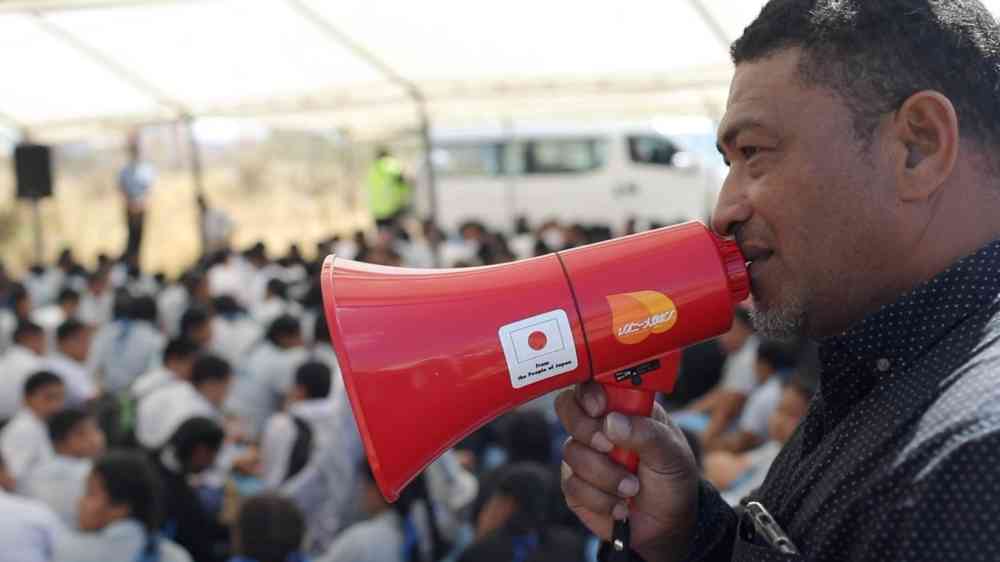
The Pacific Island of Tonga is stepping up action on early warnings and preparedness following a powerful tsunami last year.

United Nations Office for Disaster Risk Reduction (UNDRR)

Publications

Informe WTAD
Documents and publications

In the documentary “Tsunami Ladies”, producers Emiliano Rodríguez Nuesch and Víctor Orellana show how the women fed neighbors and helped revive their local economies after the tsunamis that hit Chile in 2010 and Japan the following year.

United Nations Office for Disaster Risk Reduction – Regional Office for the Americas and the Caribbean
Documents and publications

Despite progress in policy measures, early warning and risk information initiatives in Indonesia, the 2018 tsunami of Palu and Donggala showed that significant challenges remain. The study was commissioned by the UN Office for Disaster Risk Reduction

United Nations Educational, Scientific and Cultural Organization - Headquarters
United Nations Office for Disaster Risk Reduction - Regional Office for Asia and Pacific
Cover
Educational materials

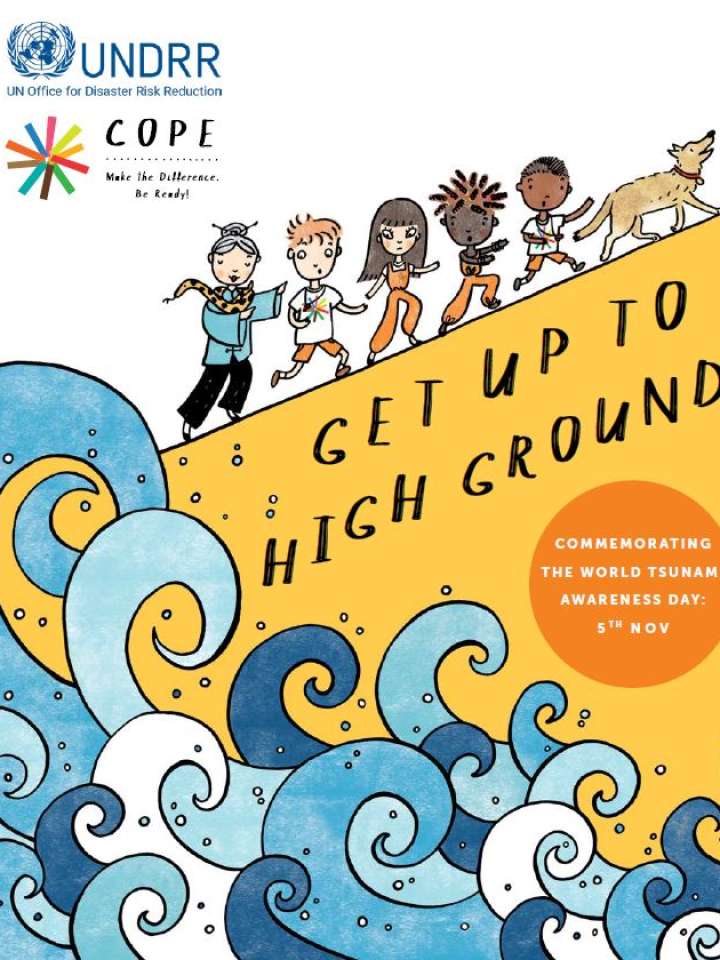
The booklet provides relevant tsunami facts and explains both how to identify a tsunami and how to cope with one.

United Nations Office for Disaster Risk Reduction (UNDRR)
COPE Disaster Champions