Tsunamis can be deadly, but they needn’t be. Early warning and early action are effective tools to protect people, saving lives, and preventing the hazard from becoming a disaster. To be effective, tsunami early-warning systems must cover every at-risk person, they must be multi-hazard, and communities must be prepared so they can act quickly.

WTAD news and publications

News
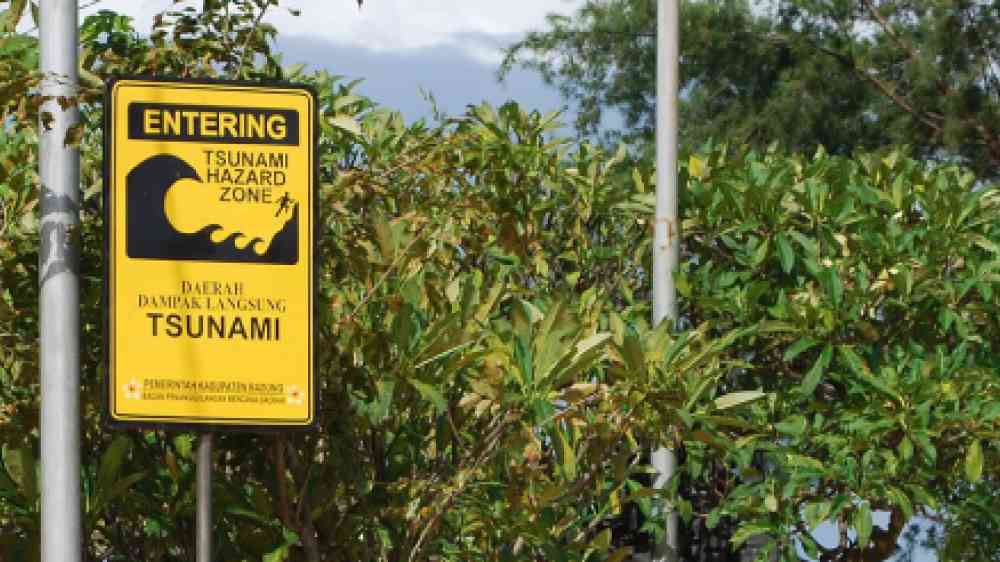
Warning sign reading "Tsunami hazard zone"
Update

From blowing conch shells to ringing church bells and sending mobile phone alerts, Caribbean countries are looking at high and low-tech ways to alert citizens to run for safety in the face of tsunamis which could wreak havoc on unprepared communities.

United Nations Office for Disaster Risk Reduction – Regional Office for the Americas and the Caribbean
WTAD logo
Update

Commemorating this year’s Tsunami Day, ASB joined the students of MTSLB/A Yaketunis Yogyakarta, a special school for students with visual limitations.

Arbeiter-Samariter-Bund Indonesia and the Philippines
Fumihiko Imamura, Professor of Tsunami Engineering at Tohoko University
Update

Renowned tsunami expert Prof. Fumihiko Imamura uses the occasion of World Tsunami Awareness Day to draw attention to the threat of "black tsunamis" caused by pollution of the seas.

United Nations Office for Disaster Risk Reduction - Regional Office for Asia and Pacific
Update

It’s 6:00 am one September day when a powerful undersea earthquake rocks the Makran Trench along the coast of Pakistan and Iran. Minutes later, the tsunami warning centres in India and Indonesia issue simultaneous alerts, followed rapidly by their counterpart in Australia, and authorities across the Indian Ocean swing into action. It's all a test, and a critical component of the region's disaster preparedness.

United Nations Office for Disaster Risk Reduction (UNDRR)
United Nations Office for Disaster Risk Reduction - Regional Office for Asia and Pacific

Publications

No results found!