Tsunamis can be deadly, but they needn’t be. Early warning and early action are effective tools to protect people, saving lives, and preventing the hazard from becoming a disaster. To be effective, tsunami early-warning systems must cover every at-risk person, they must be multi-hazard, and communities must be prepared so they can act quickly.

WTAD news and publications

News
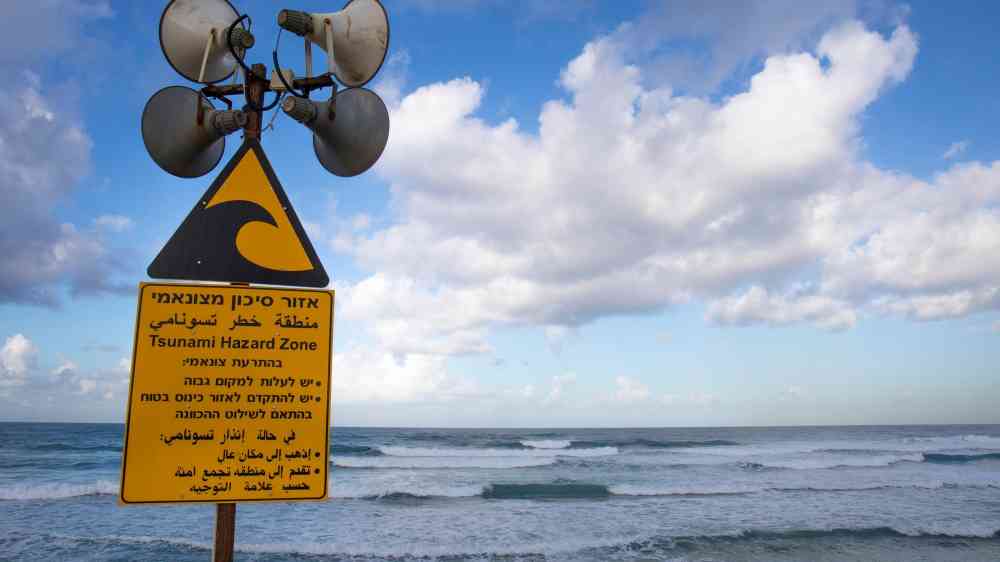
a hazard sign on a beach in Tel Aviv with sirens to facilitate early warnings systems
Statements and messages

Tsunamis can in an instant destroy entire towns and erase decades of development.

United Nations Office for Disaster Risk Reduction (UNDRR)
Local communities walk their tsunami evacuation route in the in the Quatre-Sœurs area in Mauritius
Update

Early warning systems alert communities that a tsunami is on its way – but the public needs to be prepared to act and reduce the risk. A new UNDRR initiative inspires tsunami preparedness.

United Nations Office for Disaster Risk Reduction (UNDRR)
United Nations Office for Disaster Risk Reduction - Regional Office for Africa
United Nations Office for Disaster Risk Reduction - Regional Office for Europe & Central Asia
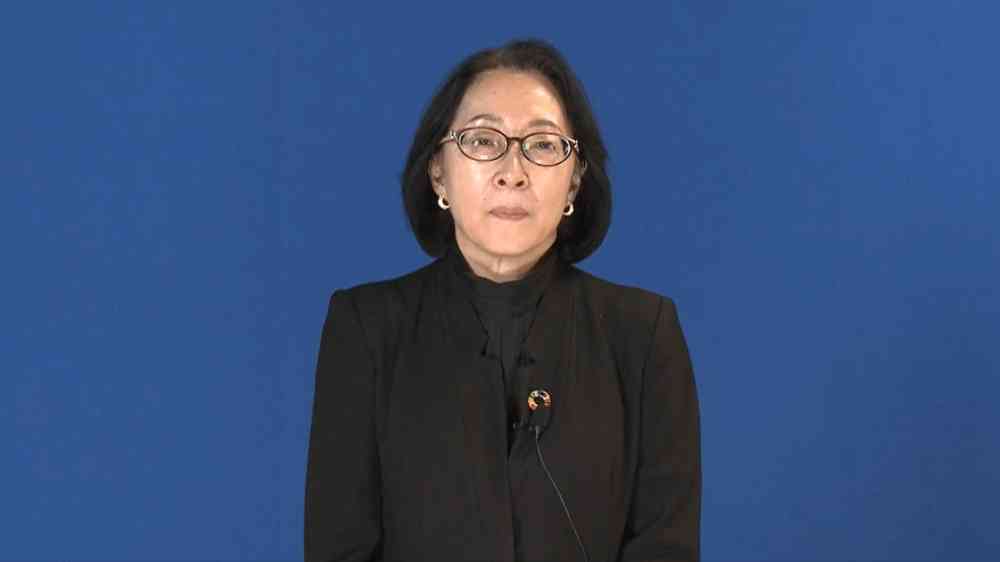
Head of UNDRR Mami Mizutori for IDDRR 2022
Statements and messages

On this World Tsunami Awareness Day, let us commit to closing these gaps by achieving Target G of the Sendai Framework to expand early warning and early action for everyone.

United Nations Office for Disaster Risk Reduction (UNDRR)
UNESCO Director-General Audrey Azoulay
Statements and messages

On 5 November, World Tsunami Awareness Day, the international community comes together to remember the lives lost to tsunamis, and to inform and protect over 700 million individuals living in areas vulnerable to ocean hazards around the world.

United Nations Educational, Scientific and Cultural Organization - Headquarters
Woman standing on the shore during a storm.
Update

November 5 is World Tsunami Awareness Day. The aftermath of the 2004 event showed that tsunamis, like all disasters, are not gender-neutral; a disproportionate percentage of the fatalities were female.

World Bank, the
 Indian Ocean Earthquake and Tsunami disaster
Update

The Great East Japan Earthquake, which took place on 11 March 2011, was the most powerful earthquake ever recorded in Japan, reaching a magnitude of 9.0 and bringing unprecedented disaster to the Tohoku region and other areas.

World Economic Forum
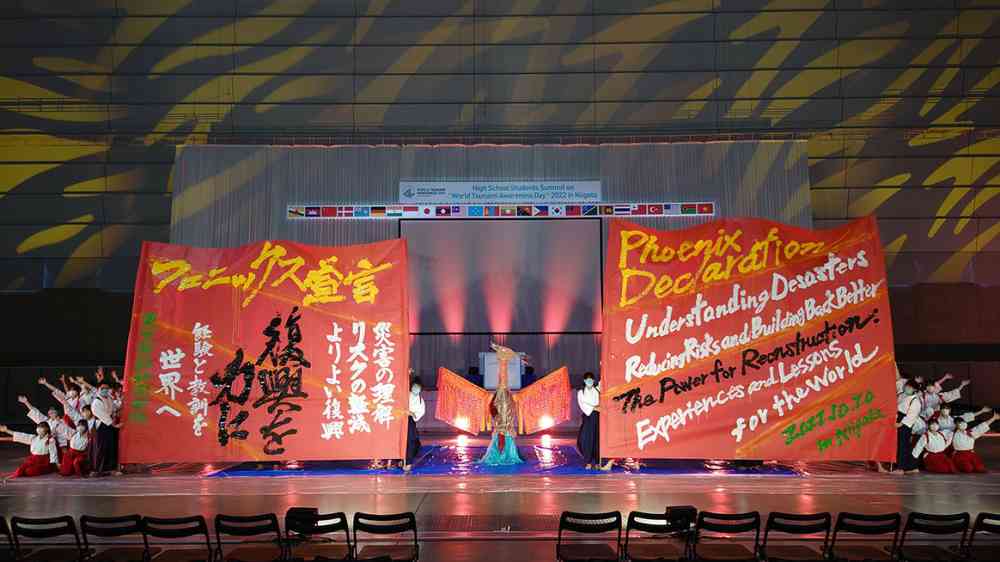
HSS Summit on WTAD 2022 final performance
Update

At the High School Students Summit on World Tsunami Awareness Day 2022 in Niigata, Japan, students from around the world gathered – both virtually and in person – to discuss, learn, and reaffirm their commitment to disaster risk reduction.

United Nations Office for Disaster Risk Reduction - Kobe Office
United Nations Office for Disaster Risk Reduction - Regional Office for Asia and Pacific
WTAD logos
Update

Over 500 people joined an online high-level event to mark the 6th World Tsunami Awareness Day today. The accent was very much on science and youth, and the inclusion of tsunami risk in the UN Decade of Ocean Science for Sustainable Development.

United Nations Office for Disaster Risk Reduction (UNDRR)
World Tsunami Awareness Day
Statements and messages

The Secretary-General's Special Representative for Disaster Risk Reduction's message on World Tsunami Awareness Day

United Nations Office for Disaster Risk Reduction (UNDRR)
Update

The COVID-19 pandemic has brought new challenges to disaster risk reduction, disaster response and planning for safe evacuation from disaster events - including tsunamis. World Tsunami Day promotes a global culture for tsunami preparedness and response.

United Nations Development Programme (UNDP)

Publications

No results found!