Últimas noticias

Tsunamis can be deadly, but they needn’t be. Early warning and early action are effective tools to protect people, saving lives, and preventing the hazard from becoming a disaster. To be effective, tsunami early-warning systems must cover every at-risk person, they must be multi-hazard, and communities must be prepared so they can act quickly.
Forecast graphs
Research briefs

Wei Zhang used GIS and statistical data to construct a novel model of tsunami damage in Fairfield, CT. The model can easily transfer to other storm types and communities.

University of Connecticut
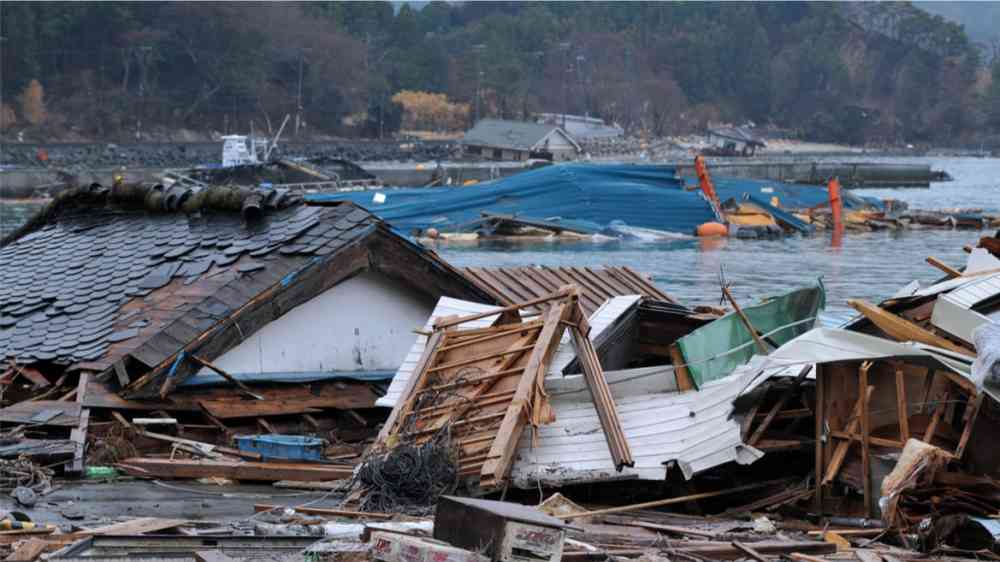
Impact of the 2011 tsunami in Japan
Research briefs

Documenting and examining recent events does not provide enough information to fully characterize coastal hazards

Virginia Tech
WTAD logo
Opportunities

This initiative aims to engage with youth living in the regions around the Indian Ocean to share their creative thoughts, ideas, concepts, and/or activities related to tsunami awareness.

United Nations Educational, Scientific and Cultural Organization (UNESCO)
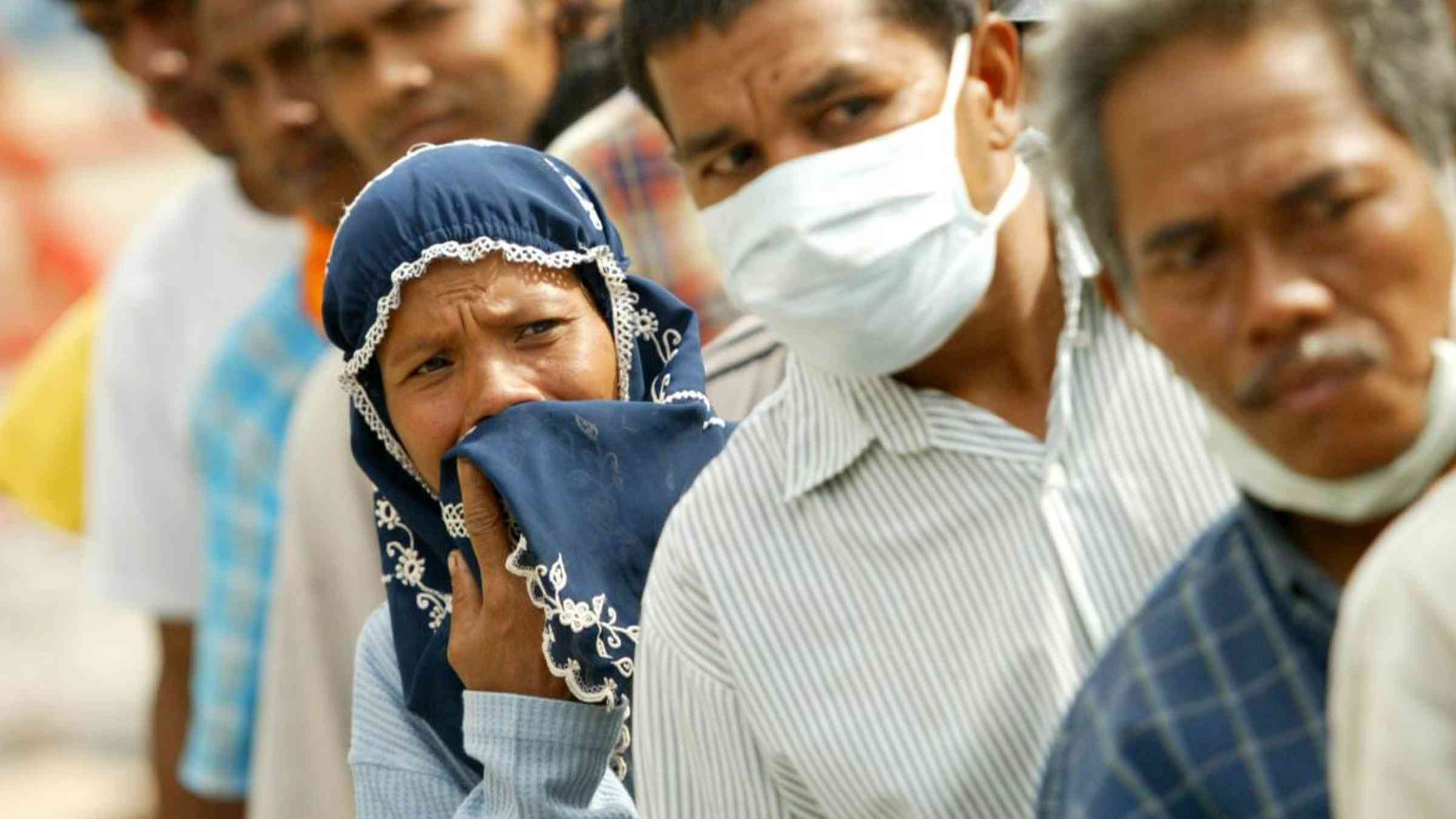
People standing in line following the 2004 tsunami in Indonesia.
Update

On December 26 2004, waves triggered by a massive earthquake slammed into the coastlines of countries ringing the Indian Ocean. The death toll was enormous.

Conversation Media Group, the
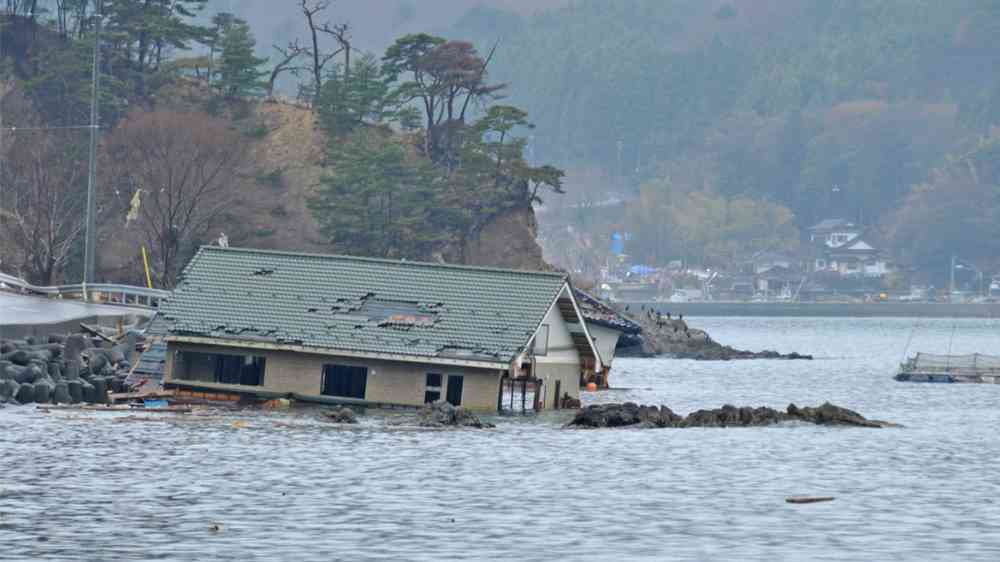
Impact of the Great East Japan Earthquake and tsunami
Research briefs

A small Japanese fishing community managed to recover from the disaster through cooperative community activity.

Tohoku University 東北大学
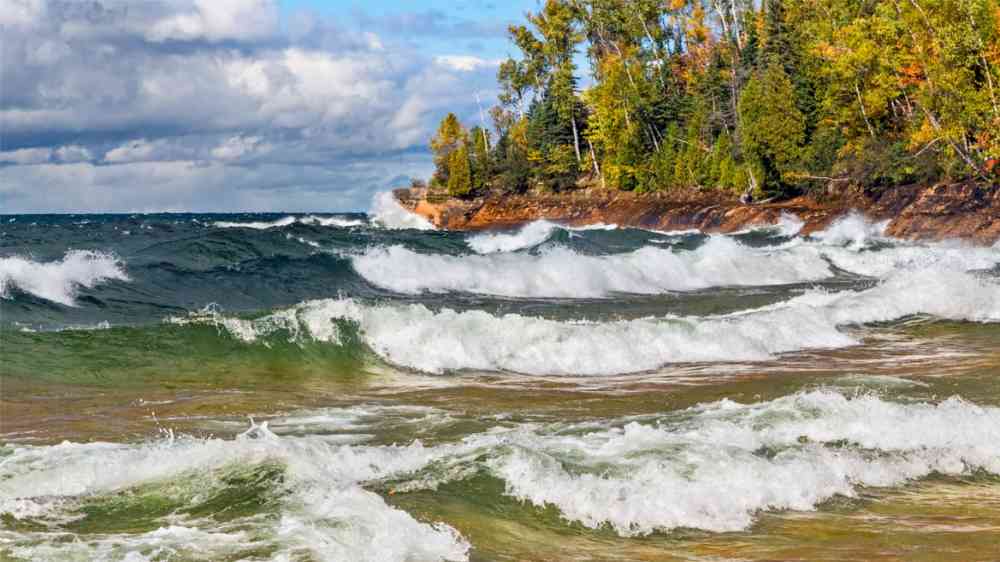
Waves crash on the rocky coast of Lake Superior at Michigan's Pictured Rocks National Lakeshore in autumn (USA)
Update

The first extensively documented air pressure–driven meteotsunami on one of the Great Lakes presents an opportunity to use existing weather models to predict them.

Eos - AGU